Rotation is a two-person act, and the scorecard charges the whole cost of a stalled partnership to whoever happened to be stuck.
Half of a batter's strike rate belongs to the man at the other end
ADVERTISEMENT
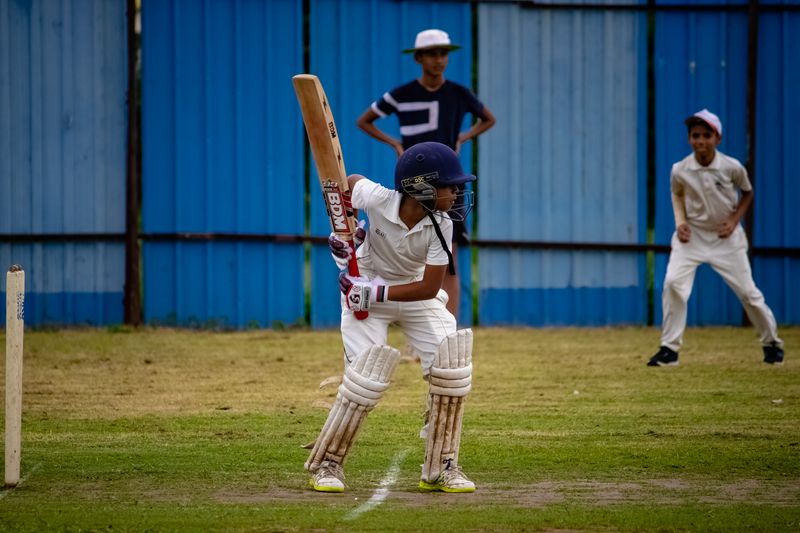
Somebody makes twenty-eight off twenty-six and gets described afterwards as having batted slowly. Watch it back and count how many times he took a single off the fourth or fifth ball of an over and how many times his partner refused one off the first. The number that ends up next to his name is a joint product filed under one person.
Strike rotation only exists as an agreement. One batter can call for a single but he cannot complete it alone, and a partner who is not looking, or who has decided he wants to face the spinner, kills it silently. There is no statistic that records a refused single. There is no way, from a scorecard, to tell a batter who got bogged down from a batter who was held there.
The mechanism matters more than it sounds. A bowler who knows the same man will face the whole over can attack a single weakness for six deliveries. He sets a field for one player, bowls one length, and the pressure compounds. Break the over up with two singles and he has to reset twice and bowl to two different sets of strengths, which is why a partnership that rotates constantly concedes far fewer dot balls than the sum of its parts would suggest.
The opinion, and I know it is unpopular with people who like clean data: I think dot-ball percentage is close to useless as an individual metric and should be reported per partnership. It is a shared failure or a shared success and treating it as personal produces bad selection decisions.
There is a related habit that annoys me more. Coaches tell the set batter to farm the strike when a new player comes in. Sometimes that is right. More often it hands the bowler the exact thing he wants, which is one target for a whole over, and it teaches the incoming batter that his job for the next five minutes is to stand there.
The alternative is to get the new man on strike immediately, on purpose, off the first ball if possible. He faces a delivery, he has done the hardest part, and he stops being a passenger.
It looks reckless. It ends the paralysis. Most stalled chases die from politeness between the two batters, not from good bowling.
Related Articles