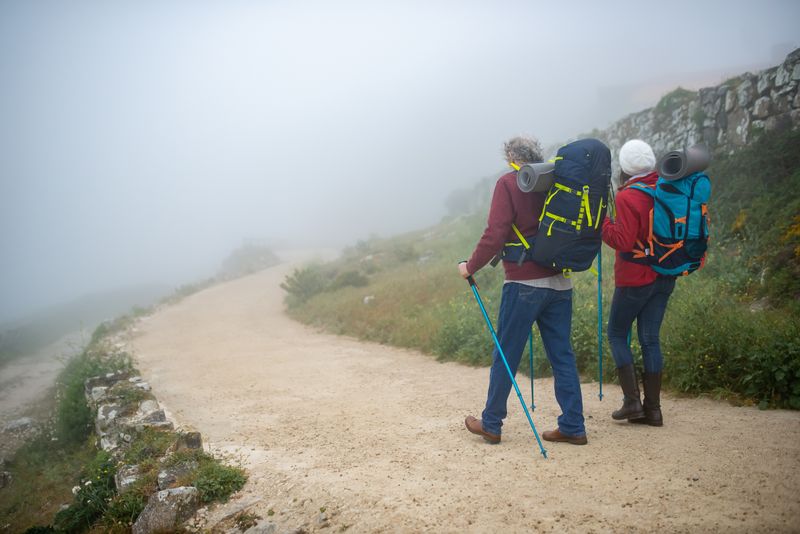
Hard braking under fatigue loads the knee more than jumping does, and no box score records a single rep of it.
The hidden leg tax defenders pay on every rotation
ADVERTISEMENT
A jump shows up. Everybody sees a jump, counts it, worries about it. The rotation that a wing makes twelve times in a quarter, out to the arc and back to the nail, does not show up anywhere. That asymmetry has shaped how staffs manage bodies, and I think it has shaped it badly.
Stopping is an eccentric action. The muscle lengthens while resisting, and the forces that pass through the knee and the front of the hip when a large man kills his own momentum in two steps are not small. Do it once and nothing happens. Do it four hundred times across a week of games and practices, on legs that were already short of sleep and long on flights, and the tissue starts accumulating damage faster than it repairs.
The problem for anybody trying to manage that is counting. Minutes are a terrible proxy. A player parked in the dunker spot on offence and guarding a non-shooter accumulates almost no braking load in thirty minutes. A defender switched onto a movement shooter accumulates a great deal in eighteen. Same minutes column, completely different week.
Wearables help, in that they capture accelerations and decelerations directly. They also produce a wall of numbers that nobody has agreed how to read. One staff sets a weekly threshold on high intensity decelerations. Another does not track them at all and goes on gut and a physio's hands. The variation between clubs is much wider than the confidence anyone expresses in public.
My view is that the strength room has been solving the wrong side of this for a decade. Programmes are still built around producing force. Absorbing force gets a token exercise at the end of the session, if the session runs long enough to reach it. Flip the emphasis and you would probably see fewer of the vague knee complaints that keep good defenders out for three weeks with no clean diagnosis.
There is a scheduling argument too. If braking is the expensive part, then the cheapest way to protect a player is not to rest him. It is to change his assignment for a stretch, put him on the opponent's least mobile forward, and let his legs bank a few possessions.
Teams already do this by instinct. Very few do it on purpose, and fewer still write it down.
Related Articles